Modulox Drive Modulox Drive

How to Choose the Best High Torque Motor for Your Needs?

Time:2026-09-05 Author:Sophia
0%

Choosing the right High Torque Motor is crucial for optimal performance. According to Dr. Emily Carter, an expert in motor engineering, "The right motor can vastly improve efficiency in applications requiring high torque." Selecting the best motor is not just about specifications. It's about understanding your specific needs.

High Torque Motors come in various types and configurations. The choice can be overwhelming. Factors like load requirements and application environment play significant roles. Consider how these factors impact your decision. You may find that a certain type of motor shines in one area but falls short in others.

The importance of expert insight cannot be overstated. Each project is unique. Professionals often recommend seeking guidance to avoid costly mistakes. Reflecting on experiences can lead to more informed choices. As you delve into the specifics of High Torque Motors, remember that choosing wisely can save time and resources.
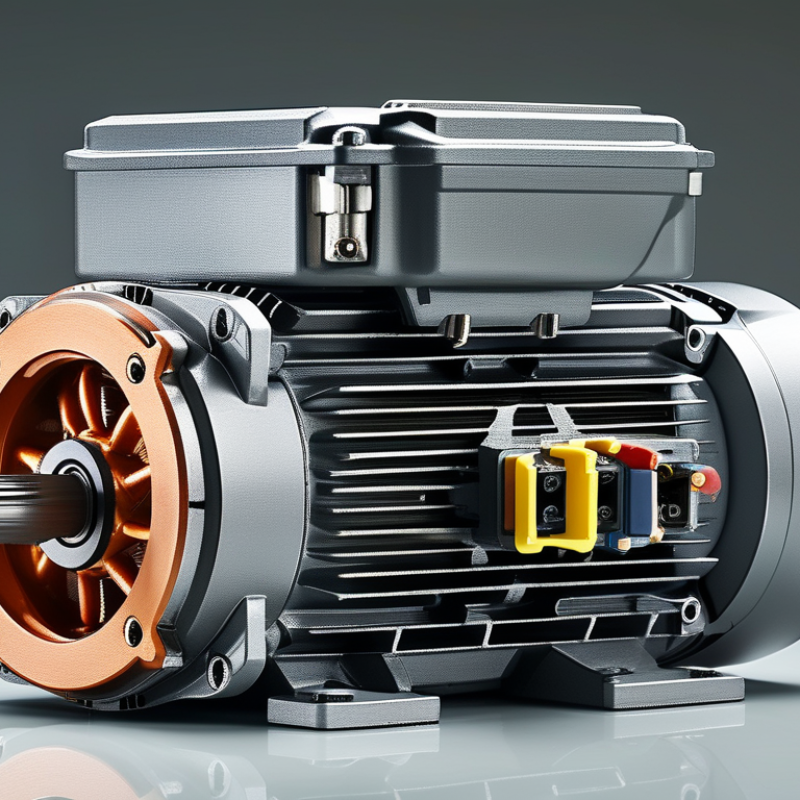
How to Choose the Best High Torque Motor for Your Needs?

Understanding High Torque Motors: Definition and Applications

High torque motors are essential for various applications. They provide the necessary force to drive heavy loads, making them crucial in manufacturing, robotics, and automotive industries. According to a 2022 report by the International Electrotechnical Commission, high torque motors improved efficiency by up to 30% in industrial settings. These motors generally operate at lower speeds, delivering more power compared to standard motors. This characteristic is vital in heavy machinery where precision and strength are required.

When selecting a high torque motor, understanding your application's specific requirements is crucial. Consider the load type, operating environment, and necessary speed. A mismatch can lead to inefficiencies. Also, assess durability and maintenance needs to ensure long-term reliability. It's worth noting that some high torque motors may run hotter, which can affect lifespan.

Referencing the IEEE's 2023 analysis of torque motors, different types cater to unique uses. Brushless motors are popular for their longevity, while stepper motors offer precise control. Sometimes cost-effective solutions might not provide the necessary torque, leading to performance issues. Evaluate compatibility with existing systems to avoid unnecessary upgrades. Reducing the need for frequent replacements can optimize operational costs.

High Torque Motors: Torque Ratings by Type

Key Factors to Consider When Choosing a High Torque Motor

When selecting a high torque motor, several key factors should be kept in mind. Power requirements are critical. Analyze the torque needs of your application. High torque motors often have specific power ratings. Understanding these ratings will help you find a suitable option. Often, what seems adequate may not be enough in real-world usage.

Another factor is the motor's size and weight. A compact motor may save space but could impact performance. Consider your system's design constraints. Sometimes, lighter options can reduce the overall load but may lack necessary torque. It’s essential to balance size with capability.

Cooling methods also play a significant role. Some motors need better cooling systems to avoid overheating during extended operation. Overheating can lead to failures or reduced efficiency. Evaluating the environment where the motor will operate is essential. If conditions vary, this could affect performance.

In conclusion, each factor significantly influences motor selection. Thorough research and reflection on your specific needs will lead to a better decision. Seeking expert advice might uncover considerations you may overlook.

Types of High Torque Motors and Their Characteristics

Choosing the right high torque motor involves understanding the different types available and their unique characteristics. High torque motors, typically used in robotics and automation, can fall into several categories such as brushed DC motors, stepper motors, and servo motors. Each type offers distinct features tailored for specific applications.

Brushed DC motors are known for their simplicity and cost-efficiency. They provide high torque at low speeds but may require regular maintenance due to wear on the brushes. On the other hand, stepper motors excel in precision control, making them ideal for applications that require accurate positioning. However, they may exhibit reduced torque at higher speeds. Servo motors combine high efficiency with excellent torque performance, often used in robotic arms and CNC machines. According to a recent industry report by Technavio, the global servo motor market is expected to grow by 6% annually, illustrating their rising importance.

When selecting a high torque motor, consider your application demands. Think about factors like operating speed, load requirements, and control precision. Ensure that the motor you choose can handle the specific conditions it will face. It might be useful to prototype with multiple motor types to find the best fit. Testing different models helps optimize performance and avoid costly mistakes later on.

Factors other than torque also play a role in selection. Size, weight, and thermal management must not be overlooked. Evaluating these parameters can enhance efficiency and longevity in your applications. A thorough understanding of these characteristics is essential to choose the right motor for your project needs.

Evaluating Performance Specifications for Your Needs

When selecting a high torque motor, performance specifications are crucial. Torque is the rotational force produced. It's essential to determine your application's requirements. High torque motors are ideal for heavy loads or slow speeds. For example, industries often need motors with at least 100 Nm of torque for efficient operations.

Analyzing speed specifications is also vital. High torque motors may operate at lower RPMs, but the torque remains high. A motor rated at 300 RPM with 150 Nm torque can handle substantial challenges. Efficiency ratings are important as well. A motor with an efficiency of above 90% consumes less energy, reducing operational costs while maintaining performance.

Moreover, consider thermal management. High torque motors generate heat during operation. A motor that can effectively dissipate heat enhances durability. Using data from recent industry reports shows that improperly managed heat can reduce motor life by up to 30%. Always assess these specifications carefully. Make informed decisions based on your operational needs. This approach allows for better performance and longevity of the motor in practical applications.

How to Choose the Best High Torque Motor for Your Needs? - Evaluating Performance Specifications for Your Needs

Motor Type Torque (Nm) Speed (RPM) Power (W) Voltage (V) Weight (kg)
DC Motor 2.5 3000 750 24 1.5
Stepper Motor 1.2 2000 400 12 0.8
Brushless Motor 4.0 2500 1200 48 2.0
AC Motor 3.5 1800 900 230 3.5

Common Mistakes to Avoid When Selecting a High Torque Motor

Choosing a high torque motor can be tricky. Many people make mistakes that can lead to poor performance. One common error is overestimating torque requirements. It’s essential to analyze the actual needs of your application. If you choose a motor with excessive torque, it may lead to higher costs without added value. Be realistic about your power needs.

Another common mistake is overlooking the motor's duty cycle. Understanding operational patterns is vital. A motor designed for continuous use is different from one meant for intermittent operations. Ignoring this can result in overheating or failure. Always assess how often the motor will run.

When selecting a high torque motor, consider efficiency ratings. Higher efficiency often means better performance and longer service life. Manufacturers provide data; use it wisely. Remember that an overly complex setup might complicate maintenance down the line. Opt for simplicity when possible. An ideal motor should not only fit your needs but also be sustainable for the long term. Be cautious about rushing decisions. A thorough selection process pays off.

FAQS

: What are high torque motors used for?

: They are vital for driving heavy loads in industries like manufacturing, robotics, and automotive sectors.

How do high torque motors improve efficiency?

They can enhance industrial efficiency by up to 30%, especially in demanding applications requiring precision and strength.

What should I consider when selecting a high torque motor?

Assess the load type, operating environment, speed requirements, and durability to match your application's needs effectively.

What are the different types of high torque motors?

Common types include brushed DC motors, stepper motors, and servo motors. Each has unique features for specific applications.

Why are brushed DC motors popular?

They are cost-efficient and provide high torque at low speeds, though they may need regular maintenance due to brush wear.

What advantages do stepper motors offer?

Stepper motors excel in precision control but can lose torque at higher speeds, making them best for accurate positioning tasks.

How does thermal management affect high torque motors?

Poor thermal management can lead to a 30% reduction in motor life, so effective heat dissipation is crucial for durability.

What role does performance specification play in motor selection?

Evaluating torque, speed, and efficiency ratings helps ensure the motor meets your operational requirements effectively.

Is it useful to test multiple motors before selection?

Yes, prototyping various models helps find the best fit and avoid costly mistakes in performance for specific applications.

What other factors should I consider besides torque?

Size, weight, and thermal management are essential for enhancing the efficiency and longevity of high torque motors.

Conclusion

Choosing the best high torque motor requires a clear understanding of its definition and applications, which span various industries from robotics to automotive. In evaluating your options, it's crucial to consider key factors such as operating conditions, load requirements, and space constraints. Different types of high torque motors, including brushed and brushless variants, each have unique characteristics that can influence performance in specific applications.

Furthermore, assessing performance specifications is essential to ensure that the motor meets your needs effectively. Be mindful of common mistakes in selection, such as underestimating torque requirements or overlooking compatibility with existing systems. By carefully analyzing these aspects, you can successfully select a high torque motor that aligns with your project requirements and operational goals.

Sophia

Sophia

Sophia is a dedicated marketing professional with an exceptional depth of knowledge about her company's products and services. With a keen understanding of market trends and customer needs, she crafts insightful blog posts that not only inform but also engage readers, enriching the company’s online......