 Modulox Drive
Modulox Drive
Modulox Drive
As we approach 2026, the landscape for security solutions is evolving rapidly. A critical component of this evolution is the "Motor For Lock". Consumers and businesses alike are recognizing the significance of motorized locks in enhancing security measures. These devices offer automation and integration with smart home systems, making them sought-after options in the market.
However, choosing the right motor can be challenging. Not all motors are designed equally, and buyers must consider various factors. The strength, durability, and compatibility with existing systems are essential aspects. A reliable motor for lock systems not only provides security but also ensures peace of mind.
Amidst these advancements, it’s important to reflect on the implications. The integration of technology brings safety, but it also raises concerns about vulnerability to hacking. Buyers should weigh these risks carefully. As the market for Motor For Lock solutions grows, understanding these dynamics will help consumers make informed decisions.
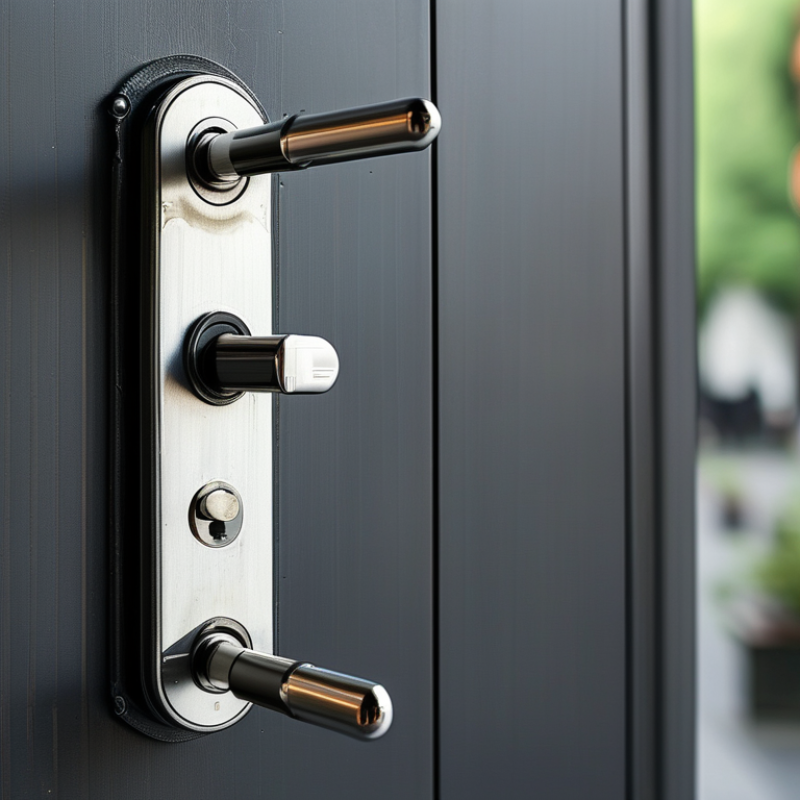
The lock solutions market is evolving rapidly in 2026. A surge in demand for advanced security features is reshaping how businesses approach lock technology. More consumers are prioritizing smart locks, integrating home automation with security needs. Users now seek seamless connectivity and remote access, which has led to innovative offerings.
However, this shift brings challenges. Many manufacturers face difficulties in balancing security with user-friendliness. Some products can overwhelm users with complexity. A key point to consider is the reliability of these advanced systems. Not all smart locks perform well in various conditions. Potential buyers need to evaluate durability alongside functionality.
In addition, rising cyber threats pose concerns about digital lock systems. Users must question whether their data is truly secure. Reliability factors heavily into purchasing decisions. The importance of thorough research cannot be overstated. Prospective buyers should seek expert opinions and user reviews. This will help navigate the diverse options available in the market.
| Sector | Market Size (2026, USD Million) | Growth Rate (CAGR %) | Key Drivers |
|---|---|---|---|
| Residential Locks | 1,200 | 4.5% | Increased security awareness |
| Commercial Locks | 900 | 6.2% | Rising infrastructure spending |
| Smart Locks | 500 | 12.1% | Technological advancements |
| Automotive Locks | 450 | 5.0% | Growing automotive production |
| Industrial Locks | 300 | 3.8% | Enhanced safety regulations |
: The market sees a rise in demand for smart locks and advanced security features. Users want integration with home systems.
They struggle to balance security with user-friendliness. Some products can be overly complex for users.
Reliability is crucial for buyers. Not all smart locks perform well in different conditions.
Buyers should conduct thorough research. Expert opinions and user reviews help navigate diverse options.
Yes, rising cyber threats are a major issue. Users must ensure their data is secure and stay informed.
Reliability, security features, installation ease, and performance over time all play a significant role.
Compatibility can be valuable but may not always work seamlessly, leading to confusion and dissatisfaction.
Innovations must ensure reliability. Questions about battery life and tech failures continue to concern consumers.
Mechanical locks now use enhanced materials to resist drilling. However, skilled locksmiths still pose a challenge.
Balancing new features with proven functionality is key to building consumer trust and reducing wariness.
In 2026, the lock solutions market is expected to witness significant advancements driven by innovative motor technologies. As consumers and businesses increasingly prioritize security, understanding the latest trends in motor for lock solutions will be crucial. Key motor technologies, such as improved efficiency and integration with smart systems, will play a pivotal role in enhancing the performance of locking mechanisms.
Buyers will need to consider various factors influencing their choices, including compatibility, reliability, and the evolving preferences for intelligent security systems. A comparative analysis of leading motor for lock brands will help users navigate the options available, while future innovations promise to address challenges like cybersecurity threats and the need for sustainable designs. As we move forward, staying informed about market dynamics and emerging technologies will empower buyers to make informed decisions in an ever-evolving lock solutions landscape.
