Modulox Drive Modulox Drive

Why Choose an Industrial DC Motor for Your Application?

Time:2026-09-20 Author:Isabella
0%

Why Choose an Industrial DC Motor for Your Application? The question begins with energy use, control, and operating conditions. The International Energy Agency reports that electric motor-driven systems consumed about 46% of global electricity in 2011. This figure remains a serious reminder: motor selection affects both production costs and environmental performance.

An Industrial DC Motor can deliver strong starting torque and precise speed control. These traits suit conveyors, hoists, winches, machine tools, and battery-powered equipment. A motor can respond smoothly when a loaded conveyor starts. It can also maintain steady speed when the load changes suddenly. The U.S. Department of Energy identifies motor systems as major industrial electricity users, supporting the need for efficient selection, maintenance, and control. However, a DC motor is not automatically the best choice. Brushed designs may require periodic brush and commutator inspection. Dust, heat, vibration, and duty cycles can shorten service life. Brushless DC alternatives reduce mechanical wear, yet they require electronic controllers and careful system integration.

The practical decision depends on torque demand, speed range, duty cycle, available power, and maintenance access. Engineers should compare efficiency at real operating points, not only nameplate ratings. A compact motor may appear economical, but poor cooling can create hidden downtime. That detail is easy to miss. Technical guidance from the U.S. DOE and IEC motor-efficiency standards provides a reliable starting point, but field measurements remain valuable. The right Industrial DC Motor is the one that performs consistently in the actual machine, under actual loads, with a realistic maintenance plan.
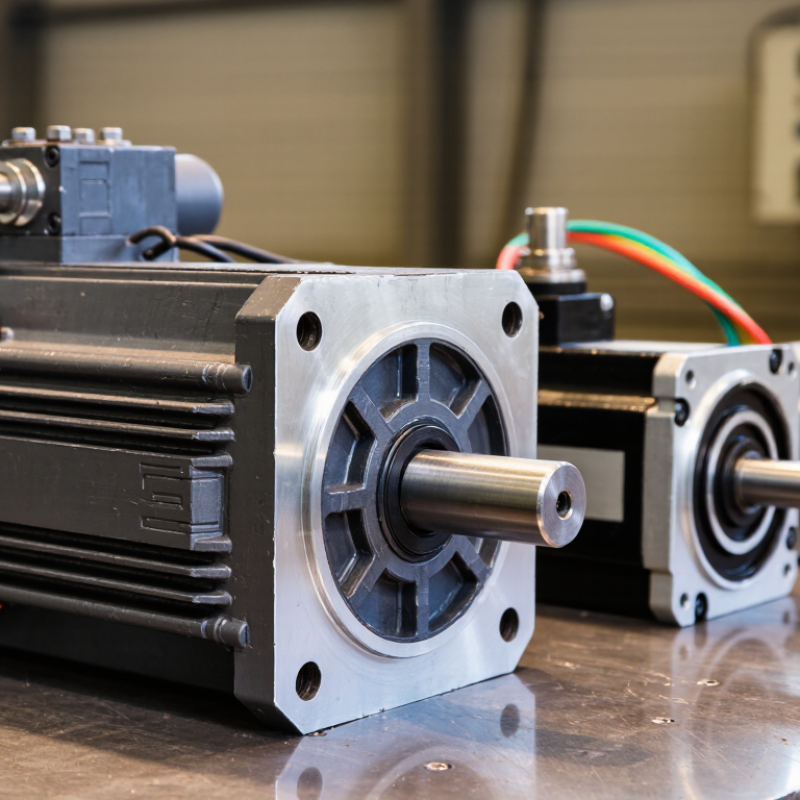
Why Choose an Industrial DC Motor for Your Application?

What Is an Industrial DC Motor?

Why Choose an Industrial DC Motor for Your Application?

An industrial DC motor converts electrical energy into controlled rotational motion. It uses magnetic fields, an armature, and switching components to produce torque. In traditional designs, carbon brushes and a commutator transfer current to the rotating armature. Brushless versions use electronic switching instead. Both types can drive conveyors, pumps, winches, rollers, and machine tools.

The main advantage is practical control. A DC motor can deliver strong starting torque and respond quickly to speed changes. This matters when a conveyor begins under a heavy load or a crane lifts uneven weight. Engineers usually check voltage, current, duty cycle, ambient temperature, and required speed. An incorrect duty rating can cause overheating during repeated starts. I have seen motors perform well on test benches but struggle when dust blocks cooling paths. Selection is not always perfect.

Tips: Match the motor’s rated torque with the real load, not an ideal estimate. Leave starting-current capacity for acceleration. Check brush wear, bearing noise, cable temperature, and ventilation during routine inspections. A small vibration can reveal misalignment before it damages the drive system. Also consider whether frequent maintenance is acceptable. A brushed motor may need periodic brush replacement, while an electronically commutated design requires compatible controls and careful installation.

How Industrial DC Motors Work

How Industrial DC Motors Work

An industrial DC motor turns electrical energy into rotation through magnetic force. Current enters the armature through carbon brushes and a commutator. The commutator reverses current as the rotor turns. This keeps torque moving in one direction. A stationary field, created by magnets or field windings, interacts with the armature’s magnetic field. The result is controlled shaft torque.

Speed control is practical. Change the armature voltage, and speed changes quickly. Reduce the field current, and speed can rise, although torque capability may fall. A drive controller can also use pulse-width modulation and feedback from an encoder. This matters when a conveyor must start smoothly or a crane needs steady lifting torque. The U.S. Department of Energy reports that motor-driven equipment uses about 68% of industrial electricity in the United States. The International Energy Agency estimates electric motor systems consume roughly half of global electricity. Small control improvements can therefore affect significant operating costs.

Field experience reveals trade-offs. Brushes wear against the commutator, producing dust and maintenance intervals. The design is not flawless. I once underestimated heat during repeated starts; the motor survived, but the enclosure became too warm. Engineers should check starting torque, duty cycle, ventilation, load inertia, and stall protection. DC motors remain useful where rapid speed adjustment and high starting torque matter. Yet an AC motor with a modern drive may suit cleaner, lower-maintenance installations. Selection should follow measured load data, not habit.

Key Advantages for Industrial Applications

Why Choose an Industrial DC Motor for Your Application?

Key Advantages for Industrial Applications

Industrial DC motors deliver strong starting torque, making them suitable for conveyors, hoists, pumps, and machine tools. They respond quickly to voltage changes, so operators can adjust speed with practical precision. In demanding production settings, this control can reduce mechanical shock during startup. It may also improve positioning when loads change suddenly. However, performance depends on correct sizing, not motor type alone. Engineers should check load torque, duty cycle, ambient temperature, and required operating speed.

These motors are often valued for their simple control systems and dependable low-speed operation. A properly maintained brushed motor can run reliably for years, although brushes and commutators require regular inspection. Dust, heat, and poor ventilation can shorten service life. No motor is perfect. A quieter brushless design may suit cleaner environments, but its controller adds complexity and cost. This trade-off deserves careful review before purchase.

Tips: Measure the real load, including startup resistance and peak demand. Leave thermal headroom instead of selecting a motor at its limit. Keep records of vibration, brush wear, and bearing temperature. Small changes often reveal developing faults. One detail is easy to miss: compare the motor’s duty rating with the actual production cycle. A motor rated for intermittent use may struggle under continuous operation. If the application changes later, reassess the selection rather than assuming the original choice remains adequate.

Factors to Consider When Choosing a DC Motor

Why Choose an Industrial DC Motor for Your Application?

Factors to Consider When Choosing a DC Motor

Choosing an industrial DC motor starts with the load, not the catalog. Measure starting torque, running torque, speed, and acceleration requirements. A conveyor carrying metal parts may need high starting torque every few seconds. A small fan needs steadier, lower torque. Duty cycle matters too. Continuous operation creates different heat demands than short, repeated runs.

Match the motor’s voltage and current range to the available power system. Check peak current during startup, especially with heavy loads. Speed control may require a suitable controller, encoder, or feedback device. Without feedback, speed can drift when the load changes. That may be acceptable for a simple pump, but not for precise positioning. Noise, vibration, and shaft alignment also deserve attention. Small installation errors can shorten bearing life.

The working environment can change the decision. Dust, moisture, chemicals, and high temperatures require suitable sealing and insulation. Review the enclosure rating and cooling method carefully. Also consider brush wear, service access, replacement intervals, and spare-part availability. Brushed motors are often practical, but they need periodic inspection. Brushless designs can reduce maintenance, though their control systems may be more complex. Efficiency should be measured across the real load range, not only at the rated point. A motor that looks efficient on paper may waste energy when oversized. In practice, engineers sometimes select extra capacity for safety, then discover poor low-load performance. That choice deserves a second look.

Common Industrial Uses of DC Motors

Industrial DC motors remain useful where controlled speed, strong starting torque, and steady operation matter. Their appeal is practical. Operators can adjust speed smoothly through voltage control, making these motors suitable for changing production demands. In many facilities, technicians also value their straightforward construction and accessible maintenance points.

Conveyor systems often use DC motors to move boxes, steel parts, or packaged materials. Their high starting torque helps a loaded belt begin moving without sudden hesitation. Cranes, hoists, and winches use similar power characteristics when lifting heavy equipment. In printing machines, DC motors support accurate roller speeds and consistent material feeding. Industrial fans, pumps, mixers, and extruders may also use them when speed adjustment affects output quality.

Battery-powered forklifts and automated guided vehicles rely on DC motors for traction and controlled movement. Smaller DC motors operate valves, positioning tables, and robotic mechanisms inside manufacturing lines. From field experience, motor selection should consider duty cycle, load changes, dust, heat, and available maintenance skills. Brush-type motors can require regular inspection because brushes and commutators wear over time. That drawback is easy to underestimate. Engineers should verify starting current, braking needs, enclosure protection, and controller compatibility before installation. A motor that performs well in a clean workshop may struggle beside abrasive dust or continuous heat. Performance depends on the whole system, not the motor alone.

FAQS

What is an industrial DC motor?

It converts electrical energy into controlled rotational motion. Magnetic fields create torque at the shaft.

How does a brushed DC motor work?

Carbon brushes deliver current through a commutator to the rotating armature. The commutator reverses current as the rotor turns.

What are the main advantages of industrial DC motors?

They provide strong starting torque and quick speed changes. This helps loaded conveyors, lifting equipment, and adjustable production lines.

Where are industrial DC motors commonly used?

Common uses include conveyors, pumps, cranes, winches, rollers, mixers, fans, and machine tools. Small versions can move valves or positioning tables.

How should engineers select the correct motor?

Match rated torque with the real load, not an ideal estimate. Check voltage, current, speed, duty cycle, inertia, heat, and ventilation.

Why can repeated starts cause problems?

Repeated acceleration draws high current and creates heat. An unsuitable duty rating may overheat the motor or its enclosure.

What maintenance does a brushed motor require?

Inspect brush wear, commutator condition, bearing noise, cable temperature, vibration, and cooling paths. Brush replacement is sometimes necessary.

Are brushless industrial motors maintenance-free?

Not completely. They reduce brush wear but require compatible electronic controls and careful installation.

What signs may reveal a developing motor problem?

Small vibration may indicate misalignment. Rising bearing noise, hot cables, blocked vents, or unusual dust also deserve attention.

Is a DC motor always the best industrial choice?

No. An AC motor with a modern drive may suit cleaner, lower-maintenance installations. Selection should follow measured load data, not habit.

Conclusion

An Industrial DC Motor converts electrical energy into controlled mechanical motion, making it a practical choice for equipment that requires reliable speed, torque, and direction control. Its operation is based on the interaction between magnetic fields and current-carrying windings, allowing the motor to produce smooth rotational force. Depending on the design and control system, speed and torque can be adjusted to match changing production requirements.

When selecting an Industrial DC Motor, users should consider voltage, power rating, operating speed, torque demand, duty cycle, installation space, cooling needs, and maintenance requirements. These factors help ensure efficient performance and a suitable service life. Industrial DC motors are commonly used in conveyors, lifting equipment, material-handling systems, machine tools, printing equipment, and automated production lines. Their controllability, strong starting torque, and adaptability make them valuable for applications where precise and dependable motion is essential.

Isabella

Isabella

Isabella is a dedicated marketing professional with a sharp focus on driving brand growth and engagement through strategic content creation. With an extensive background in digital marketing, she combines her passion for storytelling with her keen understanding of industry trends to deliver......